
-
- 53 views
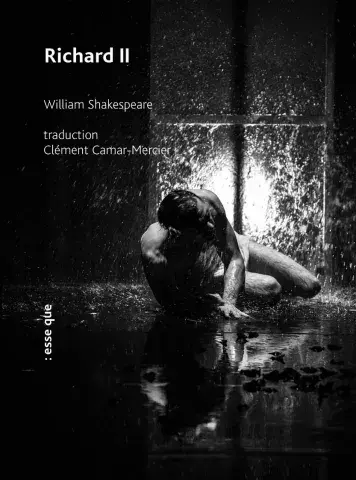
Richard II
The enigma remains. Why does Richard decide to give up power so quickly? "It's all yours": all at once, just like that. What has bitten him? In this play, everything is a game of chicken, a nasty game that quickly turns into a massacre. The characters spend their time washing their hands, figuratively speaking. Let's imagine it on stage, literally. Just as Pinocchio's nose grows longer with each men- songe, all those power-hungry hands get dirty as soon as the ambi- tion swells. So we have to spend our time washing our hands, because the thirst for power is only effective when insidiously masked. But can we really turn others away from our will when it's as compelling as royalty? Richard, on the other hand, washes his hands of it from the outset: he killed his uncle. But little by little, his lust for power fades under the effect of a poetic fever. His hands are no longer stained, as he frees himself from the addiction to power, perpetually linked to blood, to enter another world, mad, fairylike, sick with the word. Power is exhausting because it requires this frenetic ablution that dries out the hands. Earth, blood: that's the human thirst. Delivered by music, Richard can escape to the other world, to heaven. But to do so, he must die: for everything is rotten in the kingdom of power. In a terrible bloodbath, poetry will kill us all. But what if it was poetry that took Richard away?