-
- 1 view
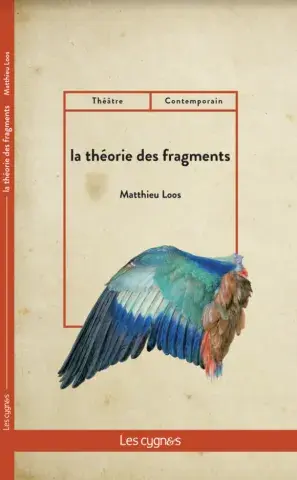
La Théorie des fragments
Stories haunt us – not quite ghosts, not quite memories. They are fragments of ourselves, and react in accordance with the theory of fragments. This theory proposes a representation of reality in which we do not inhabit time, but rather a substance that has itself shaped it. According to the theory of fragments, we are as much responsible for the past as we are for the future.
In an interweaving of the tenets of this theory and scenes depicting the fate of Alsace during the Second World War, we encounter Charles Loos, the author’s great-uncle, a ‘Malgré-Nous’ who died on the Russian front whilst serving in the German army. Although deceased, he plays a part in the trial of Robert Wagner, the Nazi plenipotentiary representative in Alsace between 1940 and 1944, who was tried and sentenced to death in 1946.
Distinction(s)
- Tout publicLauréat - 2022